The most common sliding door mistake is spraying oil or grease into the track. It feels smooth for a day, then it collects sand and dust and turns into grinding paste. Here is what to do instead.
Clean first, always
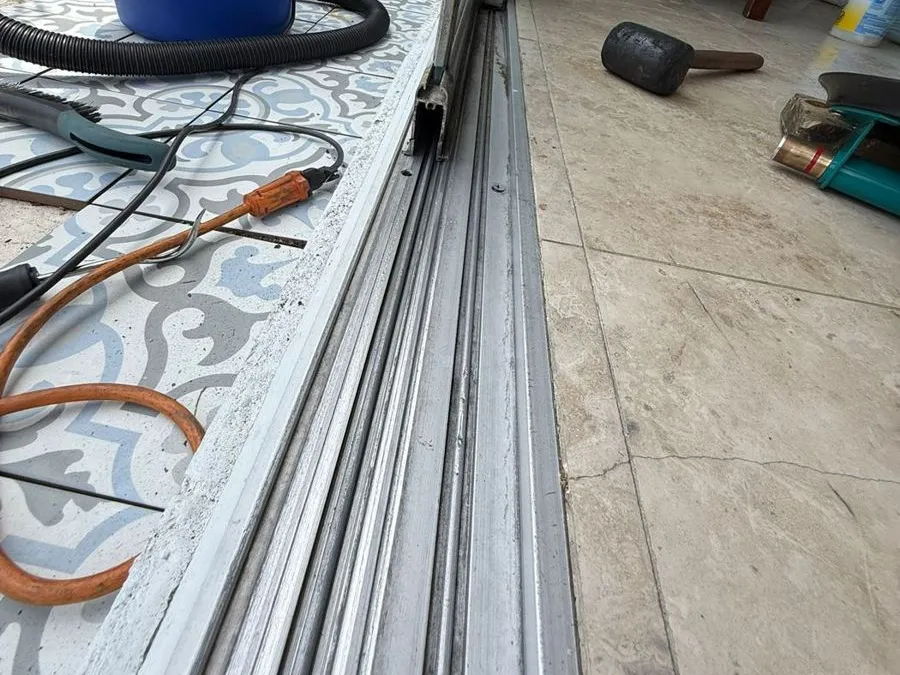
A sliding door rolls on wheels. It does not need a slippery track, it needs a clean one. Vacuum the track, scrub the corners with a stiff brush and wipe the rail with a damp cloth. Most "sticky" doors are fixed right there.
What to use
- A dry silicone spray: it leaves a thin film that does not attract much dirt.
- A dry PTFE (Teflon-type) spray: works the same way.
- Paraffin or candle wax, rubbed lightly on the top of the rail, in a pinch.
What not to use
- Heavy grease or petroleum jelly in the track.
- Penetrating oils as a "lubricant" for the track. They stay wet and catch grit.
- Cooking oil. It goes sticky and attracts bugs.
Where to spray
- Clean and dry the track.
- Spray a light coat on a rag and wipe it along the top of the rail the rollers ride on.
- Spray a short burst into the lock and latch.
- Open and close the door ten times, then wipe off any extra.
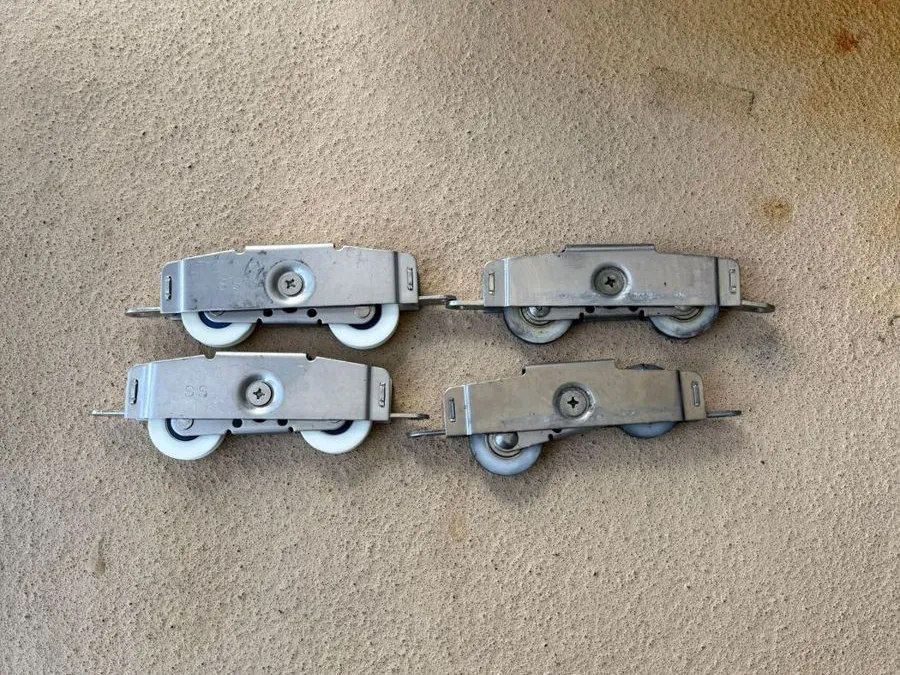
If the door is still heavy after a good clean, the rollers are worn. Lubricant will not fix a flat or rusted wheel.
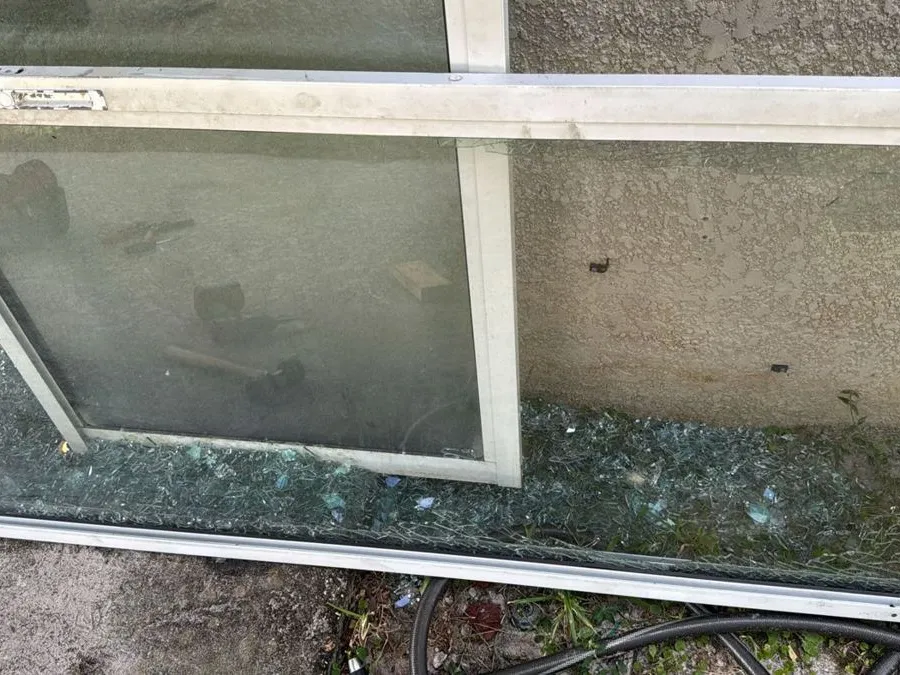
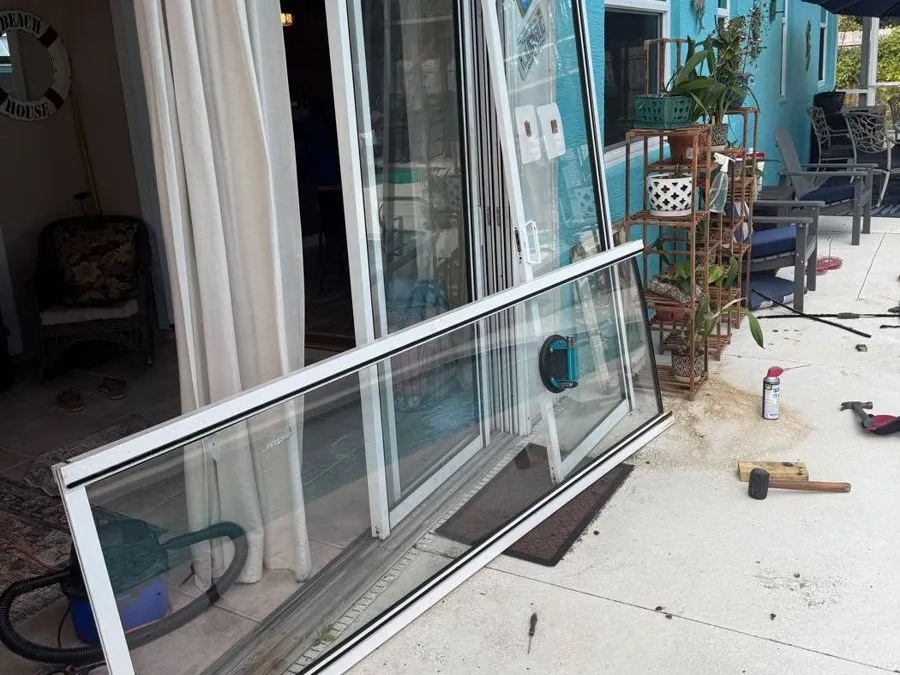
Photos, tools and a video for cleaning a sliding door track the right way.
Questions
Can I use WD-40 on a sliding door?
The classic WD-40 spray is mainly a cleaner and water displacer. In the track it leaves a light oily film that holds dirt. For the track, a dry silicone or PTFE spray works better.
How often should I lubricate a sliding door?
Clean the track every few months and use a dry lubricant twice a year. Near the beach, rinse and clean more often.
Send us a photo and a short description and a sliding door pro will answer by email.
Ask a question →